The Permian Basin Website
History is not only found in museums or documentaries. History is also found beneath our feet.
SEARCH and TRC archaeologists excavated ten archaeological sites in the Permian Basin, stretching from present-day southeastern New Mexico to Western Texas, and more than 15,000 artifacts were recovered. They wanted to share their findings with the public and give insights into the archaeological work.
In close collaboration with GROUND Media, as the lead agency, we helped create a website where users can dive into the breadth of stories and artifacts recovered from the fieldwork and the laboratory analyses. The result is an online museum that goes behind the scenes of the archaeological excavations. And pieces together fragments of the past to tell powerful stories of how people once lived.
Stepping into an online museum
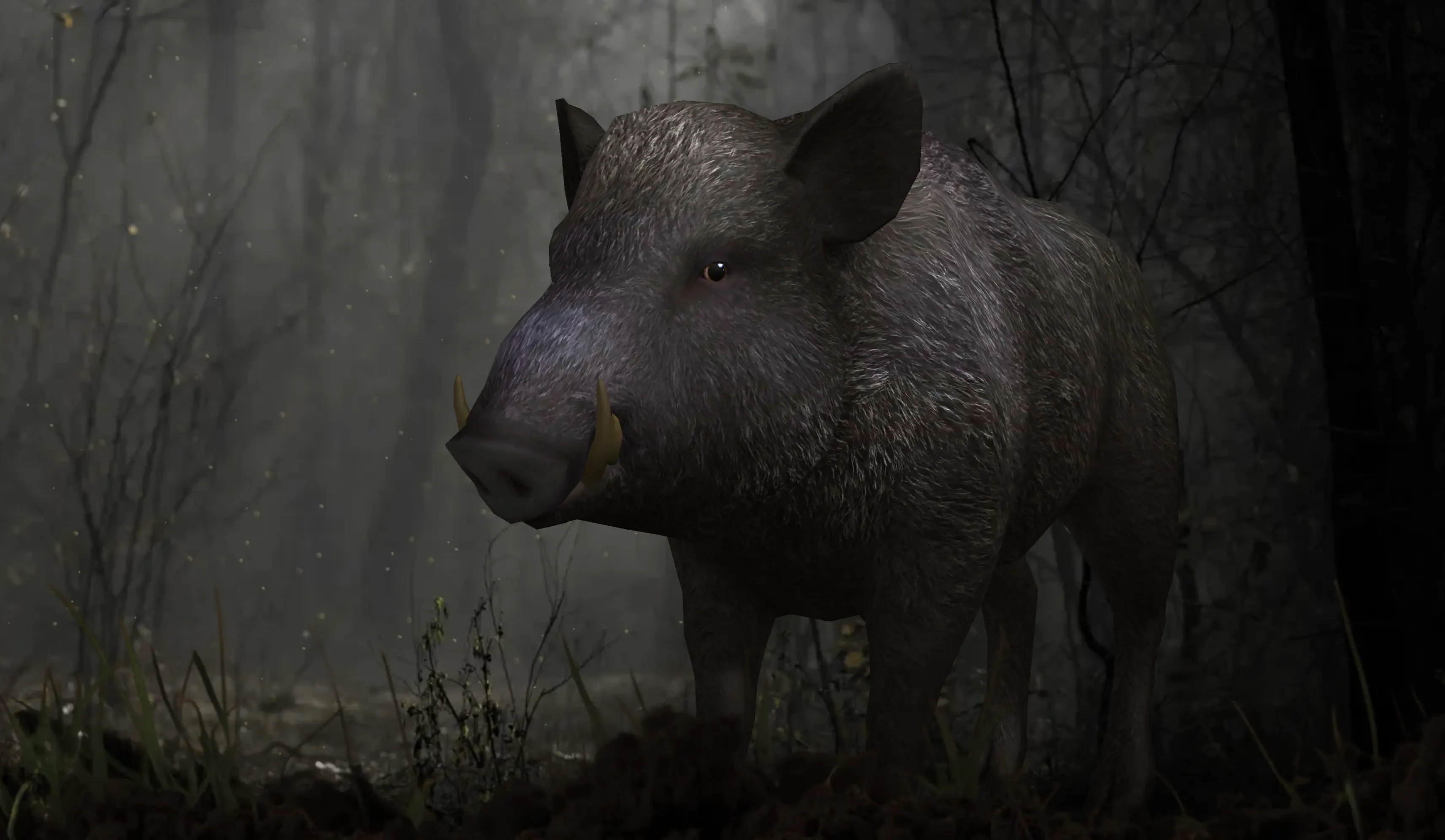
The intention was to break down the barrier between physical and online and create a website where the visitor has the experience of stepping into a museum. The visitors are brought closer to the artifacts with the use of WebGL 3D technology.

Stepping into an online museum
The intention was to break down the barrier between physical and online and create a website where the visitor has the experience of stepping into a museum. The visitors are brought closer to the artifacts with the use of WebGL 3D technology.
Stepping into an online museum
The intention was to break down the barrier between physical and online and create a website where the visitor has the experience of stepping into a museum. The visitors are brought closer to the artifacts with the use of WebGL 3D technology.
Stepping into an online museum
The intention was to break down the barrier between physical and online and create a website where the visitor has the experience of stepping into a museum. The visitors are brought closer to the artifacts with the use of WebGL 3D technology.
Stepping into an online museum
The intention was to break down the barrier between physical and online and create a website where the visitor has the experience of stepping into a museum. The visitors are brought closer to the artifacts with the use of WebGL 3D technology.
The Permian Basin over time
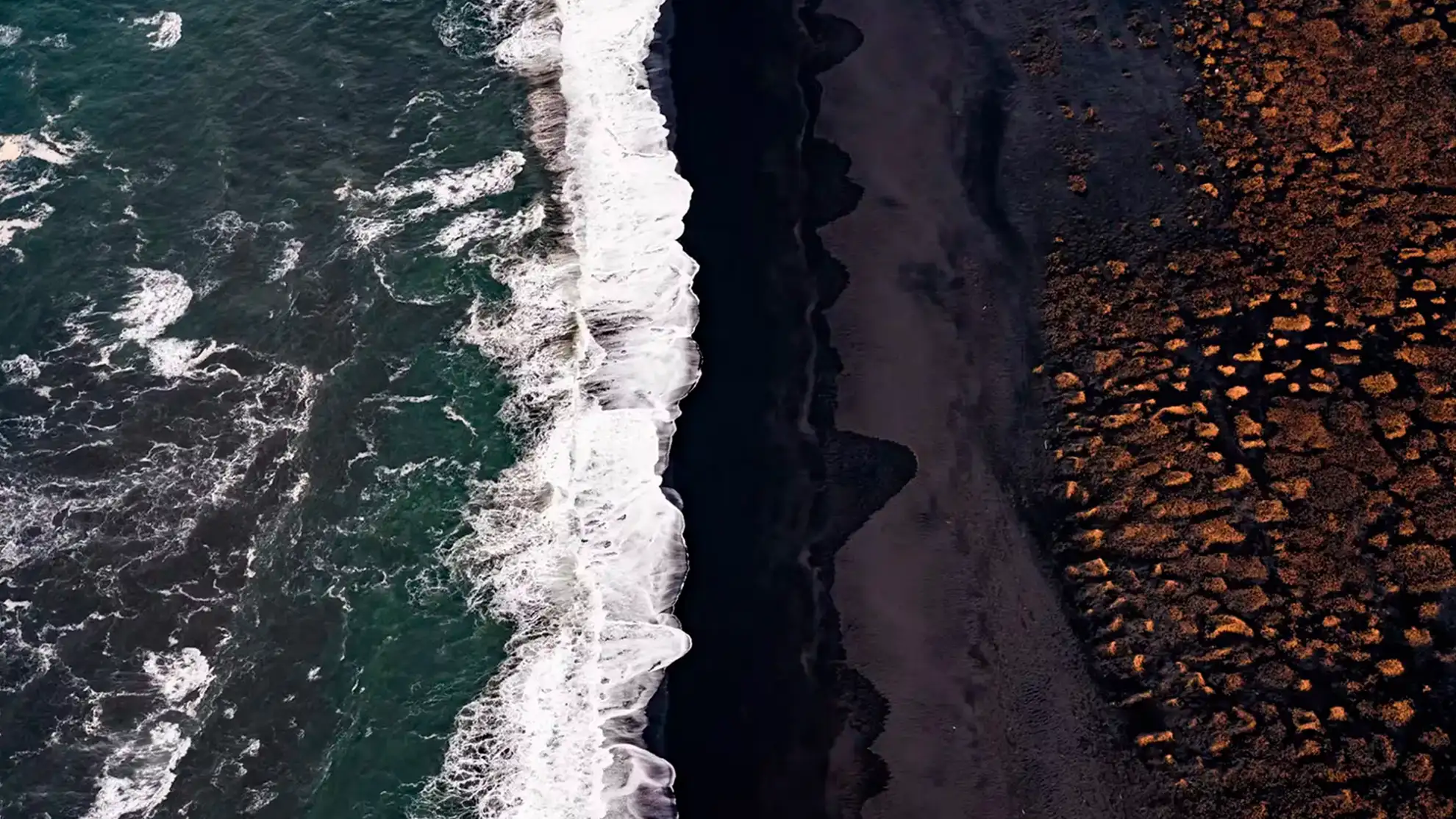
Between 299 and 252 million years ago, during the Permian geologic period, the Permian Basin region went from a shallow sea to what it is today. To illustrate how the area has changed over time, visitors can explore an interactive timeline that combines 3D WebGL with information about the region – from the earliest exploration and occupation by Native Americans (the Paleoindian Period 11,500-6,000 BC) to the present day.
The Permian Basin over time
Between 299 and 252 million years ago, during the Permian geologic period, the Permian Basin region went from a shallow sea to what it is today. To illustrate how the area has changed over time, visitors can explore an interactive timeline that combines 3D WebGL with information about the region – from the earliest exploration and occupation by Native Americans (the Paleoindian Period 11,500-6,000 BC) to the present day.
The Permian Basin over time
Between 299 and 252 million years ago, during the Permian geologic period, the Permian Basin region went from a shallow sea to what it is today. To illustrate how the area has changed over time, visitors can explore an interactive timeline that combines 3D WebGL with information about the region – from the earliest exploration and occupation by Native Americans (the Paleoindian Period 11,500-6,000 BC) to the present day.
The Permian Basin over time
Between 299 and 252 million years ago, during the Permian geologic period, the Permian Basin region went from a shallow sea to what it is today. To illustrate how the area has changed over time, visitors can explore an interactive timeline that combines 3D WebGL with information about the region – from the earliest exploration and occupation by Native Americans (the Paleoindian Period 11,500-6,000 BC) to the present day.
The Permian Basin over time
Between 299 and 252 million years ago, during the Permian geologic period, the Permian Basin region went from a shallow sea to what it is today. To illustrate how the area has changed over time, visitors can explore an interactive timeline that combines 3D WebGL with information about the region – from the earliest exploration and occupation by Native Americans (the Paleoindian Period 11,500-6,000 BC) to the present day.
Exploring your inner Indiana Jones
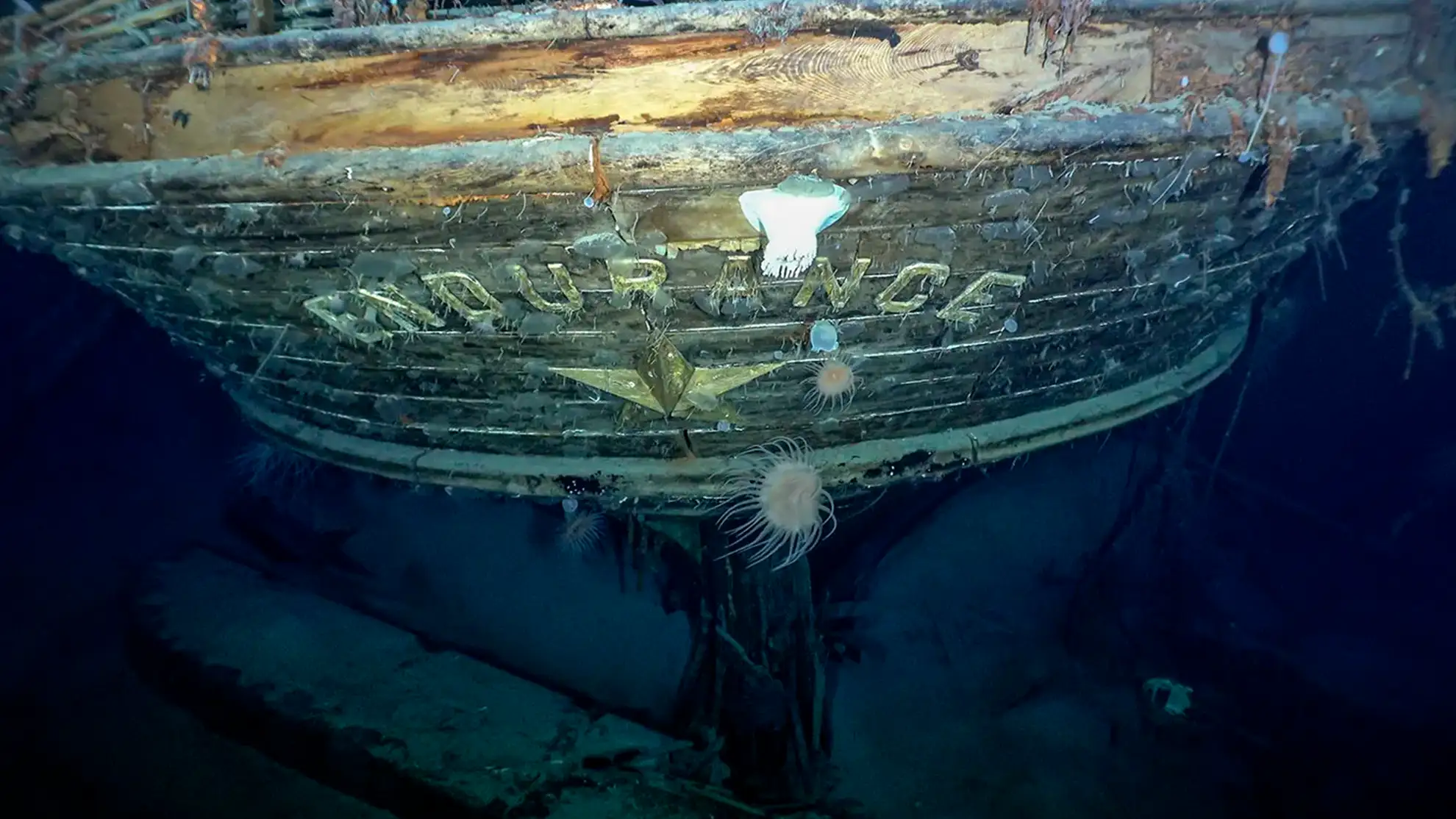
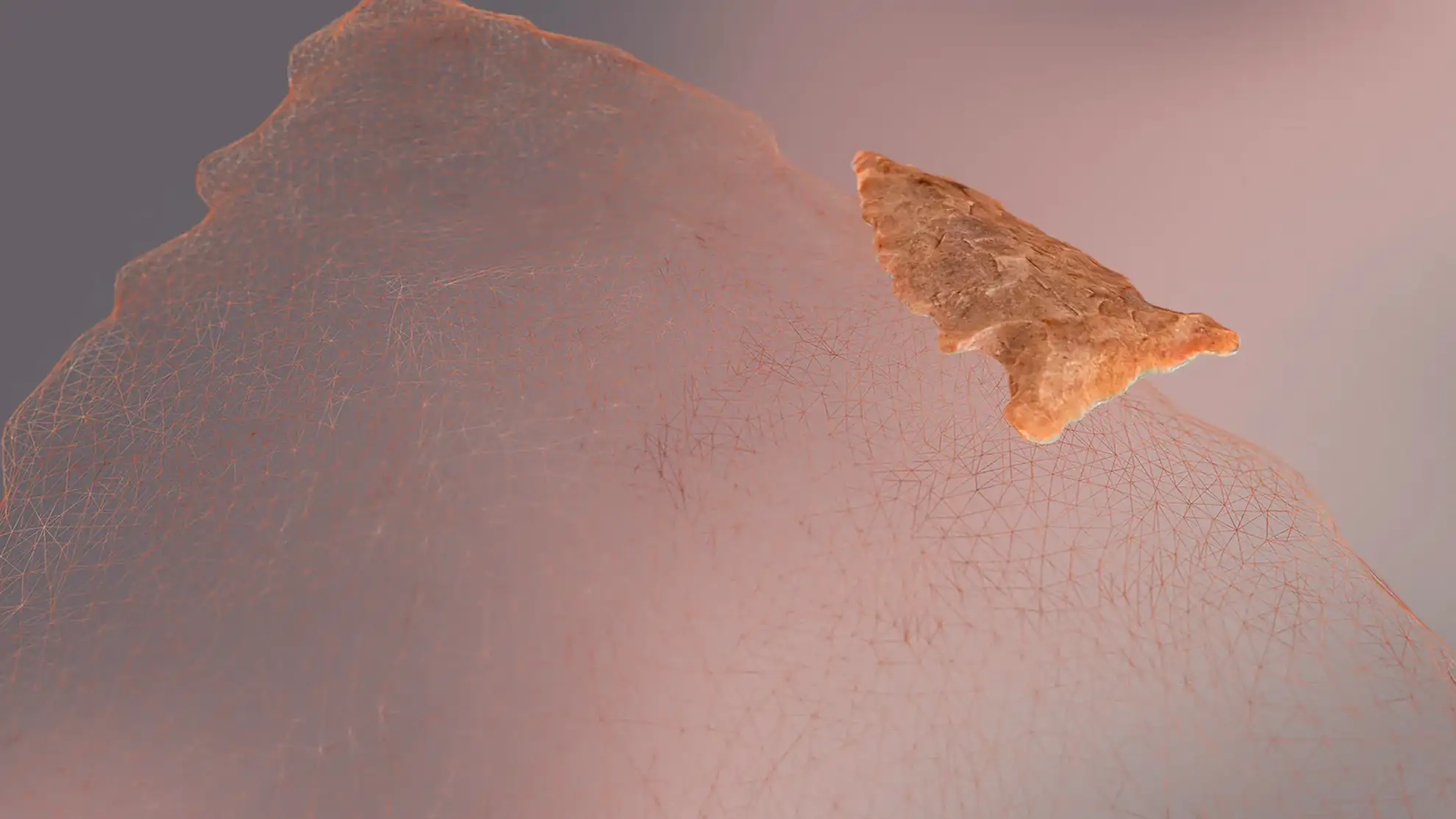
Thanks to high-resolution 3D scanning, visitors can access the archaeological work through the website, the visitors can gain insights into the archaeological work by zooming in and out on the many details of the different excavation site.
Exploring your inner Indiana Jones
Thanks to high-resolution 3D scanning, visitors can access the archaeological work through the website, the visitors can gain insights into the archaeological work by zooming in and out on the many details of the different excavation site.
Exploring your inner Indiana Jones
Thanks to high-resolution 3D scanning, visitors can access the archaeological work through the website, the visitors can gain insights into the archaeological work by zooming in and out on the many details of the different excavation site.
Exploring your inner Indiana Jones
Thanks to high-resolution 3D scanning, visitors can access the archaeological work through the website, the visitors can gain insights into the archaeological work by zooming in and out on the many details of the different excavation site.
Exploring your inner Indiana Jones
Thanks to high-resolution 3D scanning, visitors can access the archaeological work through the website, the visitors can gain insights into the archaeological work by zooming in and out on the many details of the different excavation site.
Curious about starting a design or digital project with Granyon? Get in touch! Rest asure we are the nice guys. No spamming or self-absorbed attitudes.
Curious about starting a design or digital project with Granyon? Get in touch! You can rest asure: we are the nice guys. No spamming or self-absorbed attitudes.